
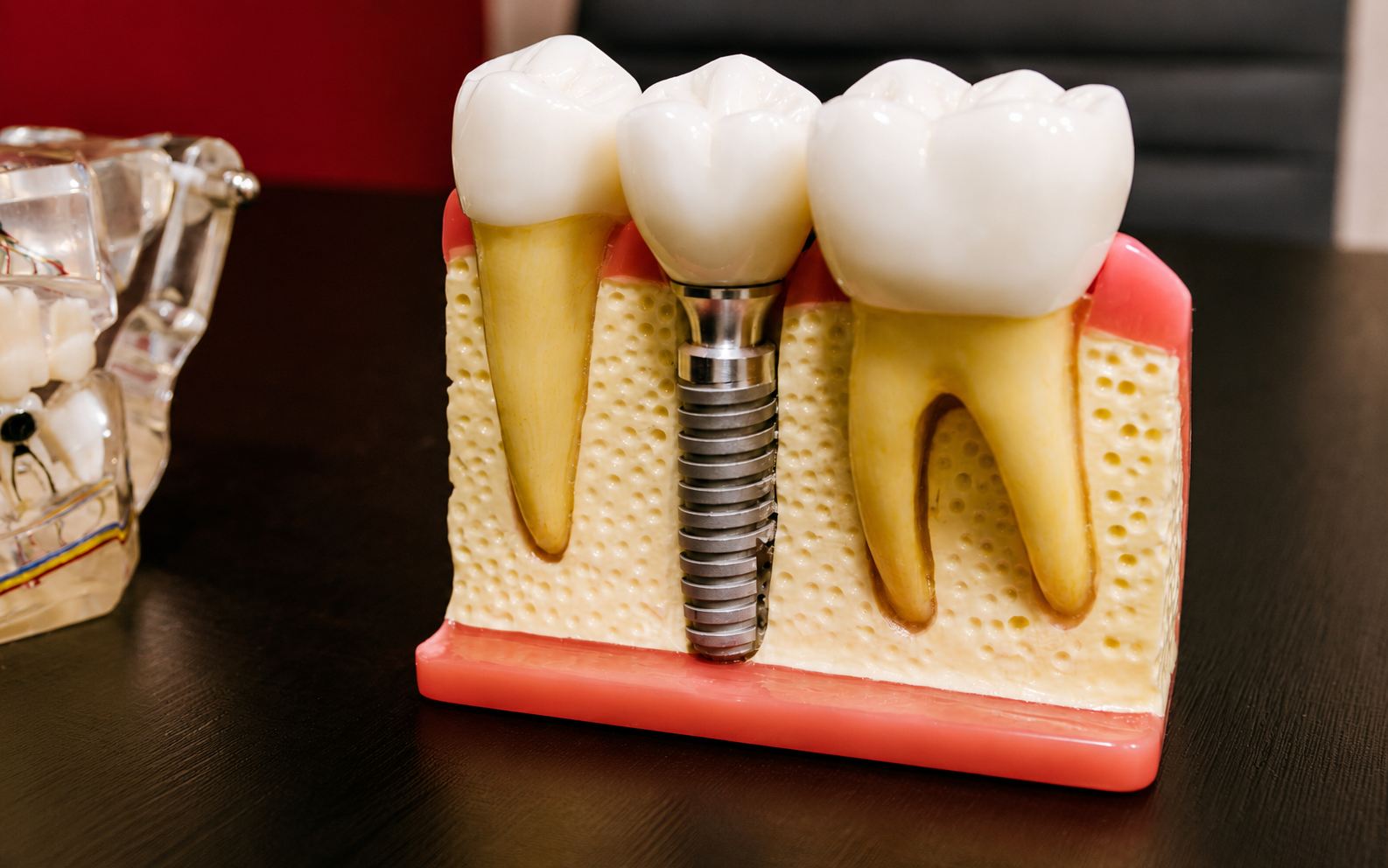
Dental implants are one of the options used to replace missing teeth. They function as an artificial tooth root and are placed into the jawbone during a surgical procedure. The implant is typically made from a biocompatible material designed to integrate with bone over time. Once healing has occurred, the implant may support a crown, bridge, or denture, depending on individual treatment requirements.
Dental Implants Treatment
Dental Implants: Overview, Procedure, Benefits, Treatment Process, and Aftercare Information
Understanding Dental Implants
Dental implants are generally considered when a fixed replacement for missing teeth is being explored. The implant component is placed into the jawbone, and a separate restorative component is later attached. The suitability of this treatment depends on several factors, including oral health, bone availability, medical history, and clinical assessment by a registered dental practitioner.
A structured clinical assessment is required before treatment planning. This may include examination of the mouth, imaging such as X-rays or 3D scans, and evaluation of bone structure and gum condition. The dental practitioner may also review general health factors, medications, and healing capacity. In some situations, additional preparatory procedures may be considered to support implant placement, depending on individual anatomical requirements. A personalised plan is developed based on these findings to determine whether implant placement is appropriate and how it may be carried out.
What are the potential advantages and outcomes?
Dental implants near Beveridge may have several potential advantages and outcomes, which can include:
- Replacement of missing teeth with a fixed dental restoration
- Support for oral function depending on individual circumstances
- No need to alter adjacent teeth in the way some other options may require
- A restoration that may resemble natural teeth in appearance
- Stability once the implant has integrated with bone
- Ability to eat and speak without removing the restoration
- Long-term durability, which may vary depending on oral hygiene and ongoing maintenance
Other potential outcomes may include preservation of surrounding bone in the area where a tooth has been lost. Dental implants may also assist in maintaining bite alignment and distributing chewing forces more evenly across the mouth. Some individuals may experience improved comfort compared to removable dental appliances, depending on their clinical situation and adaptation over time.
Procedure Overview
Dental implant treatment near Beveridge is generally completed in stages.
Stage 1:
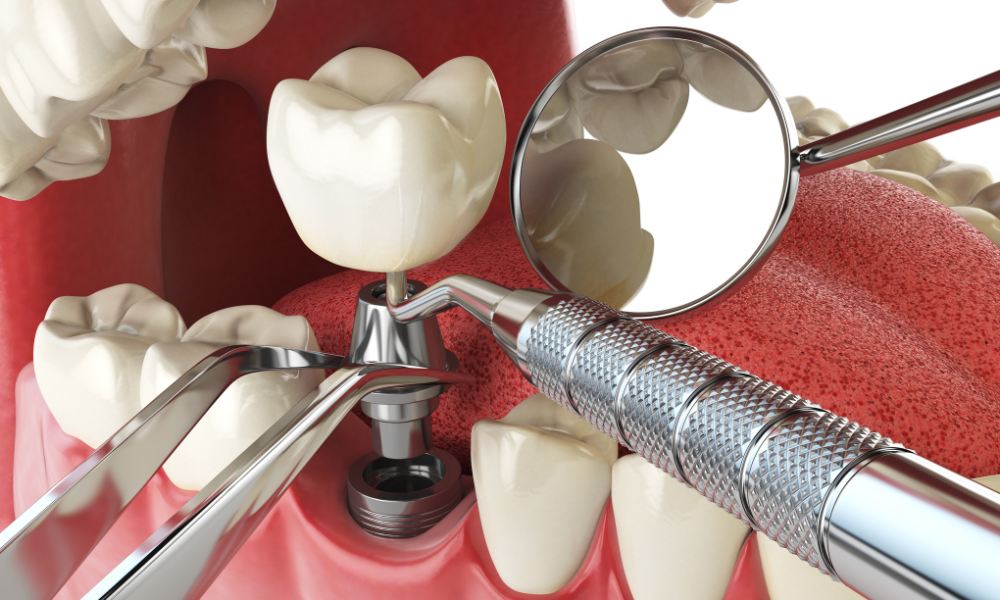
The implant is placed into the jawbone through a surgical procedure. A healing period follows, during which the implant may integrate with the surrounding bone. A temporary restoration may be used during this time if clinically appropriate.
Stage 2:
After healing, a connector component is attached to the implant. A crown, bridge, or denture is then fitted onto this component to complete the restoration. This connector supports retention of the final restoration.
The procedure is carried out under appropriate pain management methods determined by the dental practitioner, which include’s a local anaesthetic. Post-procedure care instructions are provided to support recovery. These include’s guidance on maintaining oral hygiene, dietary considerations during healing, and attending follow-up appointments for assessment of healing progress. Healing is monitored before progression to the next stage of treatment.
Treatment Duration
The timeframe between stages can vary between individuals. In many situations, the second stage may occur several months after the initial placement. The total duration depends on healing response, bone condition, and other clinical considerations.
Where additional preparatory procedures are required, overall treatment time may be extended to allow sufficient healing before continuation. Individual healing rates vary, and progression to the restorative stage is determined following clinical evaluation of implant stability and tissue response.
Success Rate Information
Dental implant outcomes vary depending on individual circumstances. Reported success rates are generally high, though they can differ based on location in the jaw and other factors such as oral hygiene and smoking status. In some cases, posterior regions may present different outcomes compared to other areas. Smoking and certain health conditions may reduce the likelihood of successful integration.
Ongoing maintenance is important following completion of treatment. This typically includes regular dental examinations and routine hygiene care. Monitoring allows early identification of changes in gum condition around the implant. If concerns arise, timely clinical review is recommended to support long-term function and stability of the restoration.
Considering Dental Implants
If you are exploring options for missing teeth, a consultation can help determine whether dental implants near Beveridge are suitable for your individual needs. The team at Advanced Dental Group can provide an assessment, discuss available treatment options, and outline a personalised plan based on your oral health and goals.
To learn more or arrange an appointment, contact Advanced Dental Group for a dental implant consultation.
Areas We Serve: Beveridge, Craigieburn, Kilmore, Romsey, Gisborne, Donnybrook & Heathcote Junction.
FAQs
Dental implants can last for many years, depending on oral hygiene, regular dental check-ups, and overall health. The attached restoration (crown or bridge) may need maintenance or replacement over time.
The procedure is usually performed under local anaesthetic, so discomfort during surgery is minimised. Some mild soreness or swelling may occur afterwards, which typically improves over a short recovery period.
Not everyone is immediately suitable. Adequate bone support, healthy gums, and good general health are important factors. A dental practitioner will assess suitability and may recommend preparatory treatment if needed.
Dental implants should be maintained with regular brushing, flossing, and routine dental check-ups. Professional cleaning and monitoring can help support long-term health of the surrounding gum and bone.
Several factors can influence outcomes, including smoking, uncontrolled medical conditions, poor oral hygiene, and insufficient bone support. Regular follow-up care helps identify and manage any early concerns.


Save with your health fund

Everyday spend account

Large purchase account