
Surgical Tooth Extraction

Understanding Tooth Removal Procedures

Sometimes, a tooth may be difficult to remove using a routine extraction technique. In these situations, a dental practitioner may recommend a surgical tooth extraction to safely access and remove the affected tooth. For individuals seeking information about surgical tooth extraction Near Beveridge, understanding when this procedure may be considered and what it involves can help support informed treatment discussions.

When Is a Surgical Tooth Extraction Considered?

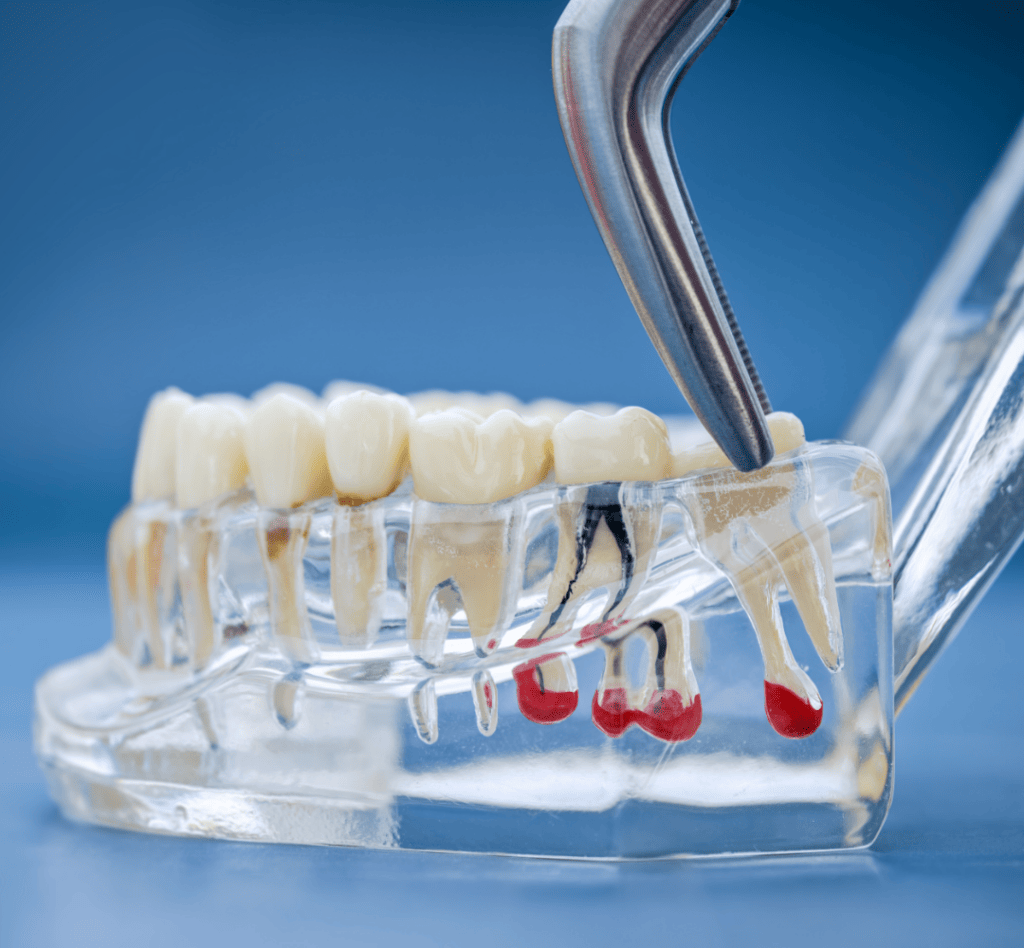
A surgical tooth extraction may be recommended when a tooth cannot be easily accessed or removed through a standard extraction. This can occur for several reasons, including the position of the tooth, the extent of damage present, or the way the tooth has developed within the jaw.

Common situations where a surgical approach may be considered include:

  • Impacted teeth that have not fully erupted
  • Teeth that have fractured below the gum line
  • Severely damaged or decayed teeth
  • Teeth that are difficult to access due to their position
  • Cases where tooth removal forms part of a broader dental treatment plan

Every case is different, and treatment recommendations are based on a comprehensive clinical assessment.
 

What to Expect Before the Procedure

Before recommending a surgical tooth extraction, a dental practitioner will typically perform a detailed examination of the tooth and surrounding oral structures. Diagnostic imaging may also be required to assess the position of the tooth and identify factors that could influence treatment planning.

This assessment allows patients to discuss the procedure, understand the reasons for treatment, and ask questions about potential risks, alternatives, and recovery considerations.


Preparing for Your Surgical Tooth Extraction

While every treatment plan is tailored to the individual, your dental practitioner may provide specific instructions to help you prepare for your appointment. These recommendations will depend on your medical history, the complexity of the extraction, and the type of anaesthesia or sedation, if any, that is planned.

Before the procedure, it is important to let your dental practitioner know about any existing medical conditions, medications you are taking, allergies, or previous dental experiences that may be relevant to your care. This information helps support appropriate treatment planning and allows any necessary precautions to be considered.

Patients are also encouraged to discuss any questions they may have before treatment. Having a clear understanding of the procedure, expected recovery, and post-operative care can help you feel informed and prepared for your appointment.

Understanding the Procedure

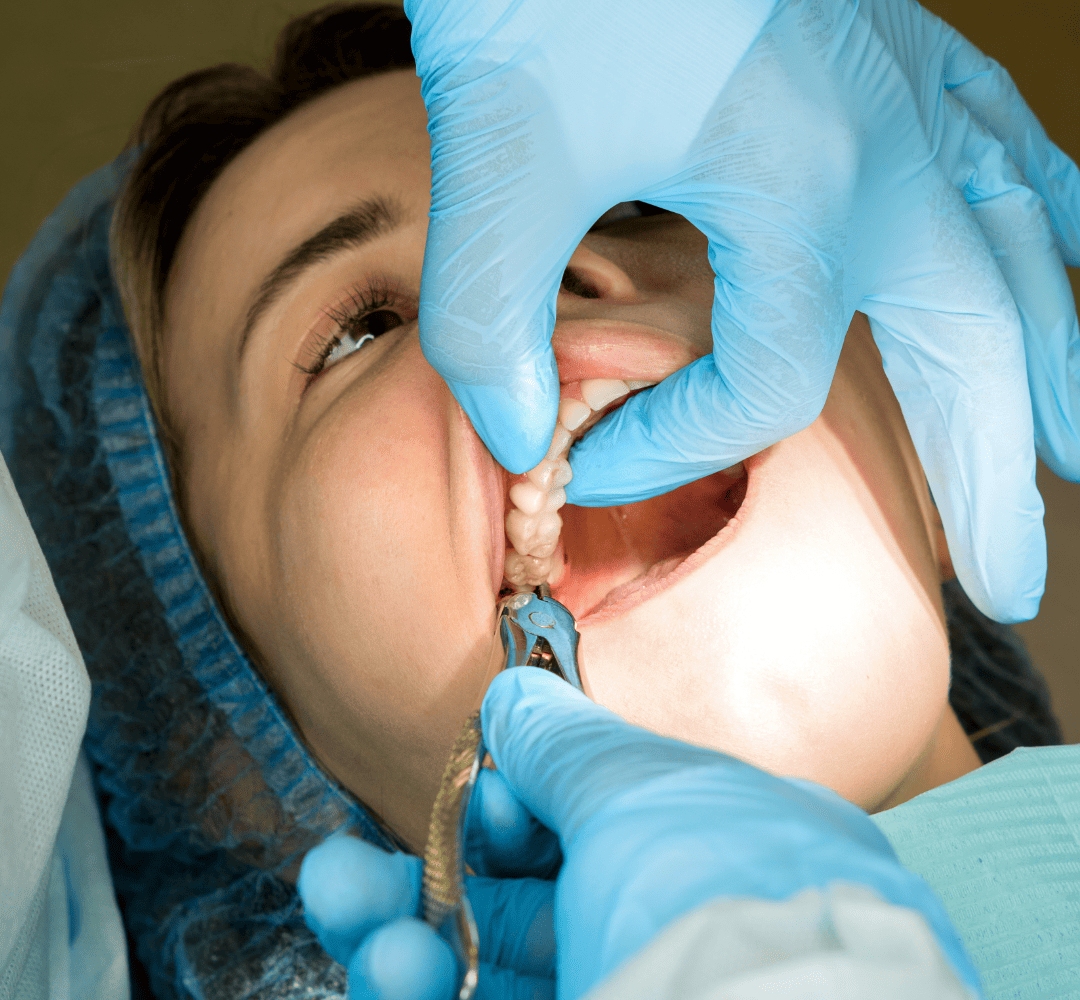
During a surgical tooth extraction, additional access to the tooth may be required. Depending on the clinical situation, a small opening may be made in the gum tissue to assist with removal. In some cases, the tooth may be removed in sections to minimise disruption to surrounding structures.

The specific technique used will depend on the individual’s oral health needs and the complexity of the extraction. Patients undergoing surgical tooth extraction in Wallan or the neighbouring suburbs will receive treatment recommendations based on their individual clinical assessment and oral health needs.

Recovery and Healing

Recovery experiences vary between individuals. Following treatment, patients are generally provided with post-procedure instructions to support healing and minimise the risk of complications.

Attending any recommended follow-up appointments can assist with monitoring recovery and addressing any concerns that may arise during the healing process.

Supporting Healing After Surgical Tooth Extraction

The healing process following a surgical tooth extraction continues over several weeks, although many people notice gradual improvement within the first few days. Healing times can vary depending on the complexity of the procedure, the location of the tooth, and individual factors such as general health and oral hygiene.

During recovery, following the post-operative instructions provided by your dental practitioner plays an important role in supporting healing. These instructions may include guidance on managing discomfort, maintaining oral hygiene around the treatment site, eating softer foods for a period of time, and avoiding activities that could interfere with the healing process.

Whether you have undergone surgical tooth extraction Near Beveridge or elsewhere, following the post-operative instructions provided by your dental practitioner is important for supporting the healing process.

If symptoms persist, worsen, or you have concerns during your recovery, it is important to contact your dental practitioner for further advice. Follow-up appointments may be recommended where appropriate to assess healing and ensure recovery is progressing as expected.

Individualised Treatment Planning

When considering surgical tooth extraction Near Beveridge, it is important to remember that treatment decisions should be based on individual clinical circumstances. A qualified dental practitioner can assess your oral health, explain available options, and provide guidance tailored to your specific needs.

Discuss Your Oral Health Concerns

If you have concerns about a tooth that may require removal, arranging a consultation with a dental practitioner at Advanced Dental Group may help you better understand your oral health condition and the treatment options that could be considered based on your individual needs and clinical findings. If you are looking for surgical tooth extraction Near Beveridge, or would like to discuss surgical tooth extraction Near Beveridge, your dental practitioner can provide guidance based on a comprehensive clinical assessment.

FAQs

A surgical tooth extraction is a procedure used to remove a tooth that cannot be extracted through routine methods due to its position, condition, or accessibility.

A surgical approach may be considered for impacted teeth, broken teeth, severely damaged teeth, or teeth that are difficult to access through a standard extraction.

Diagnostic imaging may be used to assess the position of the tooth and surrounding structures, helping the dental practitioner plan the procedure appropriately.

Recovery times vary depending on the individual and the complexity of the extraction. A dental practitioner can provide information relevant to your specific circumstances.

Yes. Where appropriate, a dental practitioner can explain available treatment options and discuss the considerations associated with each approach.

Save with your health fund

Smile Health Insurance

Everyday spend account

dental payments, wallan dentist

Large purchase account

dental payments, wallan dentist